What Is a Colonoscopy?
A colonoscopy is a test that lets your doctor look inside your colon, also called your large intestine. During this procedure, a thin, flexible tube with a camera is gently placed into your rectum. This helps your doctor check for problems like polyps, bleeding, or signs of colon cancer. Colonoscopy is a common and safe way to keep your colon healthy. In the United States, many adults get a colonoscopy as part of routine screening.
Why Is a Colonoscopy Performed?
Doctors use colonoscopy for several reasons. First, it helps find early signs of colon cancer. Second, it can help explain symptoms like bleeding or pain. Third, it can remove small growths called polyps before they turn into cancer. Because colon cancer is easier to treat when found early, colonoscopy is an important tool for prevention.
Symptoms or Signs That May Require a Colonoscopy
Sometimes, your doctor may suggest a colonoscopy if you have certain symptoms. For example, you may need this test if you have:
Additionally, people over age 45 are often advised to get regular colonoscopies, even if they feel healthy.
How to Prepare for a Colonoscopy
Proper colonoscopy preparation is key for a clear view during the test. Your doctor will give you detailed instructions. Usually, you will need to:
Because the preparation can be uncomfortable, plan to stay near a bathroom. However, following these steps helps your doctor see your colon clearly and keeps you safe.
What Happens During the Colonoscopy Procedure?
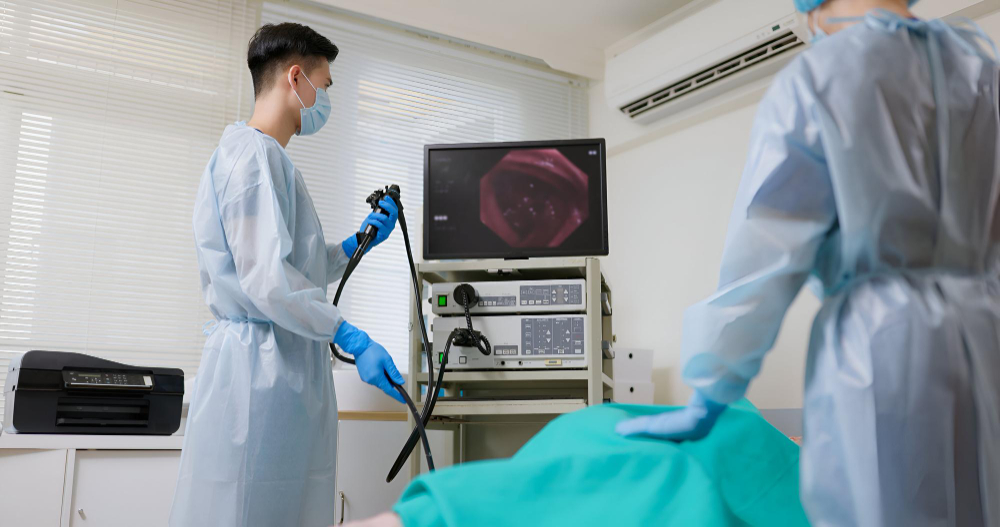
On the day of your colonoscopy, you will arrive at a clinic or hospital. First, you will change into a gown. Next, a nurse may give you medicine to help you relax or sleep. Then, the doctor will gently insert the colonoscope into your rectum. The camera sends images to a screen, so your doctor can look for any problems. If needed, small tools can remove polyps or take samples. The whole colonoscopy procedure usually takes 30 to 60 minutes. Most people feel little or no pain during the test.
What to Expect After the Procedure (Recovery and Side Effects)
After your colonoscopy, you will rest until the medicine wears off. You may feel sleepy or have mild bloating. Some people pass gas or feel slight cramps, but these symptoms go away quickly. Because you may still feel drowsy, you should not drive yourself home. Instead, ask a friend or family member to help. Most people return to normal activities the next day. However, if you have heavy bleeding, severe pain, or fever, call your doctor right away.
Risks and Benefits of Colonoscopy
Colonoscopy is very safe, but like any procedure, it has some risks. Rarely, people may have bleeding, infection, or a small tear in the colon. However, the benefits are much greater. Colonoscopy can find and remove polyps before they become cancer. It can also help diagnose other colon problems early. According to the CDC, regular colonoscopy screening saves lives by catching colon cancer early.
Prevention and Lifestyle Tips for Colon Health
Besides getting regular colonoscopies, you can take steps to keep your colon healthy. For example, you can:
These habits, along with regular screening, help lower your risk of colon problems.
Conclusion
In summary, a colonoscopy is a safe and effective way to protect your colon health. With proper preparation and care, most people have a smooth experience. Consult a healthcare professional to discuss if a colonoscopy is right for you.