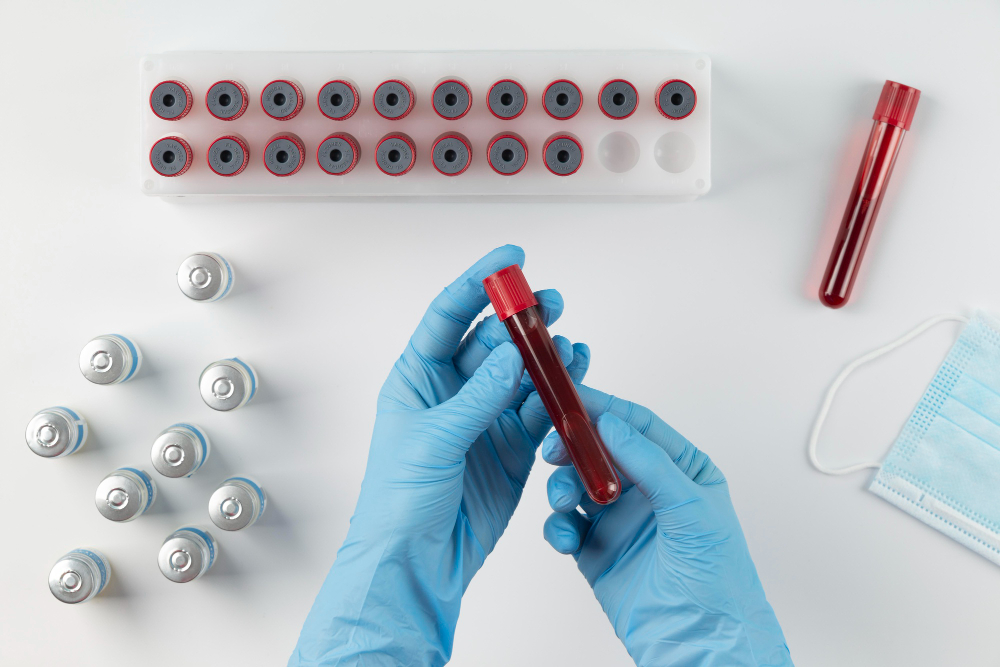
What is a Liver Function Test?
A liver function test checks how well your liver is working. Doctors use it to measure certain proteins and enzymes in your blood. These tests help find liver problems early. Because the liver is vital for your health, knowing its condition is important.
Why is a Liver Function Test Done?
Doctors order a liver function test for many reasons. For example, it can help find liver diseases, check for damage, or monitor ongoing treatment. Sometimes, it is part of a routine health check. In other cases, it is done if you have symptoms of liver trouble.
Symptoms and Signs That May Require a Liver Function Test
Often, people do not notice liver problems right away. However, certain signs may suggest you need a liver function test. These include:
If you notice these symptoms, talk to your doctor. Early testing can help find problems sooner.
How is the Test Performed?
The liver function test is simple and quick. First, a healthcare worker cleans your arm. Next, they take a small blood sample from a vein. The sample goes to a lab for testing. Usually, you can return to normal activities right after the test.
Understanding Liver Function Test Results
After the test, your doctor will explain the results. The test measures several things, such as:
Each has a normal range. If your numbers are outside this range, it may mean your liver is not working well. However, sometimes small changes are not serious. Your doctor will discuss what your results mean for you. For more details, you can ask for your liver function test results explained in simple terms.
Common Causes of Abnormal Results
Many things can cause abnormal liver function test results. Some common causes include:
Because there are many causes, your doctor may order more tests to find the exact reason.
How to Prepare for a Liver Function Test
Preparing for a liver function test is easy. Usually, you do not need to do much. However, your doctor may ask you to:
Always follow your doctor’s instructions on how to prepare for a liver function test. This helps get the most accurate results.
Prevention and Lifestyle Tips for Liver Health
Keeping your liver healthy is important. Here are some simple liver health tips:
With these steps, you can help protect your liver every day.
When to Consult a Doctor
If you have symptoms of liver problems, do not wait. Also, if your liver function test results are not normal, talk to your doctor. Early care can prevent serious issues. Remember, only a healthcare professional can give you the right advice for your situation.
For personalized advice on liver function tests, consult a healthcare professional.