What is a Serum Uric Acid Test?
A serum uric acid test is a simple blood test. It checks the amount of uric acid in your blood. Uric acid is a waste product. Your body makes it when it breaks down certain foods. Usually, your kidneys remove uric acid through urine. However, sometimes uric acid builds up in the blood. This test helps doctors check your uric acid levels and spot health problems early.
Why is the Serum Uric Acid Test Done?
Doctors order this test for several reasons. For example, it helps diagnose gout, a type of joint pain caused by high uric acid. It also checks for hyperuricemia, which means too much uric acid in the blood. Sometimes, the test helps monitor people with kidney disease. In addition, it can help find out if certain medicines are causing high uric acid levels. Overall, this test gives important clues about your health.
How to Prepare for the Test
Preparing for a serum uric acid test is easy. Most people do not need to do much. Still, you should follow your doctor’s advice. Here are some tips:
Because some foods and drinks can affect uric acid levels, your doctor may give special instructions. Always check before your appointment.
The Test Procedure: What to Expect
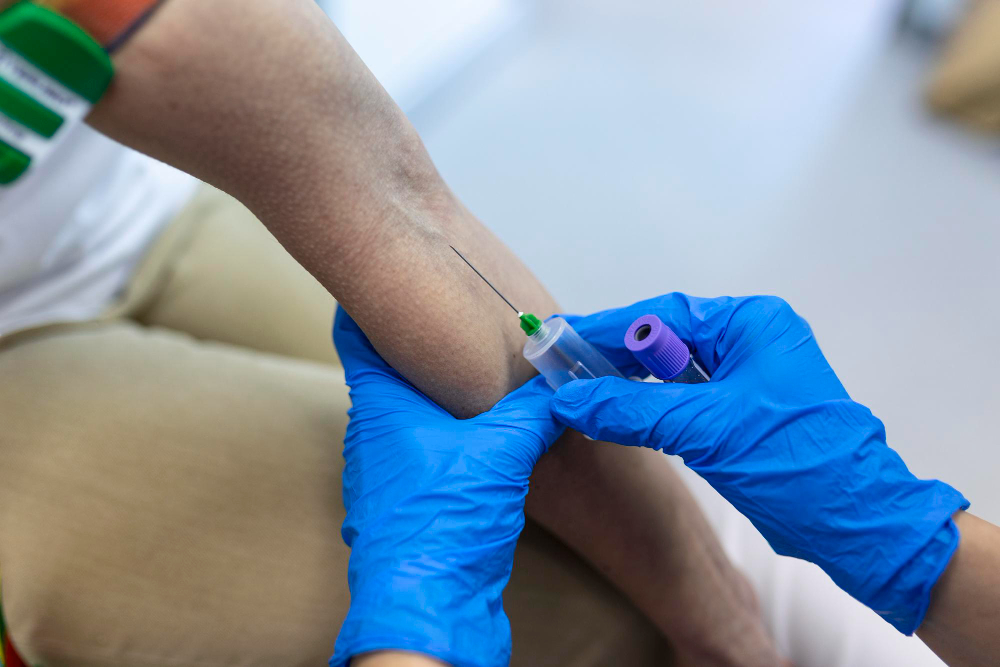
The serum uric acid test is quick and simple. First, a healthcare worker will clean your arm. Next, they will use a small needle to take a blood sample from a vein. You may feel a quick pinch, but it is usually not painful. Afterward, a small bandage covers the spot. The whole process takes only a few minutes. You can return to your normal activities right away.
Understanding Your Results
After the test, your doctor will review your uric acid levels. The normal uric acid range can vary by lab, but it is usually:
If your levels are high, it may mean you have hyperuricemia. This can lead to gout or kidney stones. On the other hand, low levels are less common but can happen with certain health problems. However, one test alone does not give a full picture. Your doctor will look at your symptoms and other tests before making a diagnosis. For more details, see information from the CDC and WHO.
Risks and Limitations
Like most blood tests, the serum uric acid test is very safe. Some people may have mild bruising or soreness where the needle went in. Rarely, infection or fainting can occur. However, these problems are uncommon. The test has some limits, too. For instance, uric acid levels can change from day to day. Certain foods, drinks, or medicines may affect results. Because of this, your doctor may repeat the test or order other tests if needed.
Frequently Asked Questions
When to Consult a Doctor
doctor. Also, if your test shows high or low uric acid levels, ask your doctor what it means. Early treatment can help prevent problems. Remember, only a healthcare professional can give advice that fits your needs.
Consult a healthcare professional for personalized advice about your serum uric acid test.